

Aave DeFi lending and borrowing protocol - supply liquidity and earn interest or borrow with collateral

Aave: Decentralised Non-Custodial Liquidity Protocol

Aave is a decentralised non-custodial liquidity protocol where users can participate as suppliers or borrowers. Suppliers provide liquidity to the market while earning interest, and borrowers can access liquidity by providing collateral that exceeds the borrowed amount. With billions in total value locked across 10+ blockchains, Aave is the gold standard for DeFi lending.

Explore Aave V3 with advanced features like E-Mode for capital efficiency, GHO stablecoin, and the upcoming Aave V4 Developer Preview. Whether earning passive yield, accessing liquidity without selling, or leveraging flash loans for sophisticated strategies—Aave has you covered.

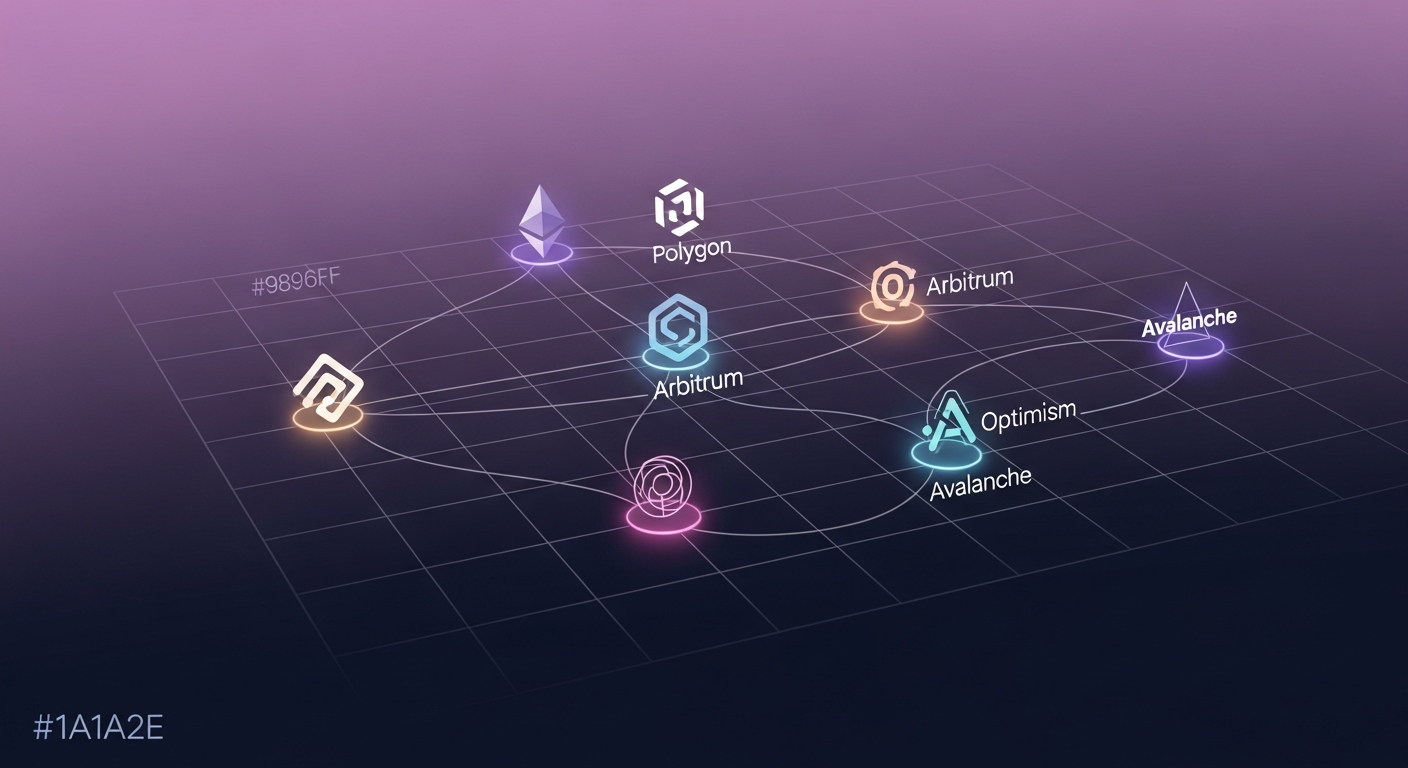
Aave multi-chain deployment across Ethereum, Polygon, Avalanche, Arbitrum, Optimism, Base and more

Multi-Chain DeFi Lending Across 10+ Networks

Deploy your capital across Ethereum, Polygon, Arbitrum, Optimism, Avalanche, Base, BNB Chain, Gnosis, Scroll, and Metis. Each network offers unique opportunities with varying interest rates, gas costs, and asset availability. Aave V3's Portal feature enables seamless cross-chain liquidity flow.

With billions in total deposits and the most battle-tested smart contracts in DeFi, Aave provides deep liquidity backed by comprehensive security audits, the Safety Module, and the new Umbrella coverage system for bad debt protection.

Aave flash loans - uncollateralized loans borrowed and repaid in a single transaction for arbitrage and DeFi strategies

Aave V3 & V4 Developer Preview

Aave V3 delivers Efficiency Mode (E-Mode) for up to 97% LTV on correlated assets, Isolation Mode for safe new asset listings, and Portal for cross-chain liquidity. The upcoming Aave V4 Developer Preview introduces the next evolution of DeFi lending with enhanced modularity and new primitives.

Discover GHO, Aave's native decentralised stablecoin, and explore Horizon for borrowing stablecoins against Real World Assets (RWAs). Participate in governance with AAVE tokens to shape the protocol's future across all supported networks.

TL;DR - Quick Summary

What is Aave? A decentralised non-custodial liquidity protocol where users participate as suppliers (earn interest) or borrowers (access liquidity with overcollateralised positions).

Key Features: Aave V3 with E-Mode & Isolation Mode, upcoming Aave V4 Developer Preview, GHO stablecoin, Horizon (RWA-backed stablecoin borrowing), Umbrella (bad debt coverage), Flash Loans, and multi-chain support across 10+ networks.

Best For: DeFi investors seeking yield, traders needing liquidity without selling, developers leveraging flash loans, institutions using Horizon for RWAs, and AAVE governance participants.

Cost: No platform fees - only pay network gas costs and interest on borrowed amounts. Flash loans charge 0.05-0.09% per transaction.

What is Aave?

Aave is a decentralised non-custodial liquidity protocol where users can participate as suppliers or borrowers. Suppliers provide liquidity to the market while earning interest, and borrowers can access liquidity by providing collateral that exceeds the borrowed amount. Originally launched as ETHLend in 2017 and rebranded to Aave in 2020, the protocol has grown to become the leading lending platform in decentralised finance.

The name "Aave" comes from the Finnish word for "ghost," reflecting the protocol's commitment to transparency and open-source development. Unlike traditional banks, Aave operates entirely through audited smart contracts—your funds are never held by any centralised entity. You maintain full custody of your assets while earning yield or accessing liquidity across 10+ blockchain networks.

Aave protocol dashboard interface showing supply and borrow markets with real-time interest rates and user positions across DeFi lending pools
Aave's intuitive dashboard provides comprehensive lending and borrowing analytics at a glance

Supply & Earn

Provide liquidity to the market and earn interest in real-time. Receive aTokens representing your deposit that automatically accrue yield as borrowers pay interest.

Borrow with Collateral

Access liquidity by providing collateral that exceeds the borrowed amount. Choose between variable rates that follow market dynamics or stable rates for predictability.

Flash Loans

Access uncollateralised loans that must be borrowed and repaid within a single blockchain transaction. Enable arbitrage, self-liquidation, collateral swaps, and more.

GHO Stablecoin

Mint GHO, Aave's native decentralised stablecoin, using your collateral. AAVE stakers in the Safety Module receive discounted borrowing rates on GHO.

Umbrella Coverage

Native coverage system for bad debt protection. Umbrella provides an additional layer of security for the protocol, safeguarding user deposits against shortfall events.

Horizon (RWAs)

Borrow stablecoins with Real World Assets. Horizon bridges traditional finance with DeFi, enabling tokenised real-world assets as collateral for stablecoin loans.

Key Features of Aave

Aave V3 - Current Stable Version

Aave V3 is the current stable version of the protocol, introducing significant capital efficiency improvements. Key features include Efficiency Mode (E-Mode) allowing up to 97% LTV on correlated assets like stablecoins or LSTs, Isolation Mode for safely listing new assets with capped exposure, and Portal for seamless cross-chain liquidity movement. V3 powers billions in TVL across all supported networks.

Aave V4 Developer Preview

The upcoming Aave V4 Developer Preview represents the next evolution of DeFi lending. Building on V3's success, V4 introduces enhanced modularity, new lending primitives, and improved capital efficiency. Developers can explore the AaveKit v4 to start building on the next generation of the protocol before mainnet launch.

Supply and Earn Interest

When you supply assets to Aave, you deposit them into a smart contract-managed liquidity pool. In return, you receive aTokens (like aUSDC, aETH, or aDAI) that represent your deposited position plus accrued interest. These aTokens are ERC-20 compatible, meaning you can hold them in your wallet, transfer them, or use them in other DeFi protocols while still earning interest.

Aave supply interface showing available assets to deposit with current APY rates and total market size for each lending pool
Real-time supply rates across different assets with transparent APY calculations

Borrowing with Collateral

Aave enables you to borrow assets by using your supplied tokens as collateral. Each asset has specific risk parameters including Loan-to-Value (LTV), liquidation threshold, and liquidation penalty, all determined through Aave governance. You can choose between variable interest rates that fluctuate with market conditions or stable rates that provide predictability.

Aave borrowing interface displaying available assets to borrow with variable and stable APR options and health factor indicator
Flexible borrowing options with variable and stable rate choices

Flash Loans

Aave pioneered flash loans in DeFi—uncollateralised loans that must be borrowed and repaid within a single blockchain transaction. If the loan isn't repaid by the end of the transaction, the entire operation reverts as if nothing happened. Flash loans enable sophisticated strategies like arbitrage, collateral swaps, self-liquidation, and debt refinancing, all without requiring upfront capital. Fees are just 0.05-0.09% per transaction.

Aave flash loan architecture diagram showing atomic transaction flow for uncollateralised borrowing and repayment within single block
Flash loans enable advanced DeFi strategies with atomic transaction execution

Health Factor and Liquidations

Your Health Factor is a numeric representation of your position's safety. A Health Factor above 1 means your collateral value sufficiently covers your debt. If it drops below 1, your position becomes eligible for liquidation, where liquidators can repay part of your debt in exchange for your collateral at a discount. Monitor your Health Factor closely to avoid liquidation.

GHO - Aave's Native Stablecoin

GHO is a decentralised, overcollateralised stablecoin native to the Aave Protocol. Users can mint GHO using their supplied collateral at competitive interest rates. AAVE stakers in the Safety Module receive discounted GHO borrowing rates, creating additional utility for the governance token. GHO is designed to be multi-collateral and governed entirely by the Aave DAO.

Horizon - Borrow with Real World Assets

Horizon enables users to borrow stablecoins using Real World Assets (RWAs) as collateral. This innovative feature bridges traditional finance with DeFi, allowing tokenised real-world assets like treasury bills, real estate, and other securities to serve as collateral for stablecoin loans within the Aave ecosystem.

Umbrella - Native Bad Debt Coverage

Umbrella is Aave's native coverage system for bad debt protection. It provides an additional layer of security for the protocol by safeguarding user deposits against potential shortfall events. Combined with the Safety Module, Umbrella ensures robust risk management and protocol resilience.

Safety Module and Risk Management

The Aave Safety Module is a staking mechanism that provides a backstop in case of a shortfall event. Users can stake AAVE tokens and earn rewards while helping secure the protocol. In extreme scenarios, up to 30% of staked AAVE can be slashed to cover deficits, aligning incentives between stakers and the protocol's safety.

Aave Safety Module and Umbrella coverage protecting user deposits across multiple blockchain networks
The Safety Module and Umbrella protect the protocol while rewarding AAVE stakers

How to Use Aave

1

Connect Your Wallet

Visit app.aave.com and connect your Web3 wallet. Aave supports MetaMask, WalletConnect, Coinbase Wallet, and other popular wallet providers. Ensure your wallet is funded with the assets you want to supply and enough native tokens (ETH, MATIC, etc.) for gas fees.

2

Select Your Network

Choose your preferred blockchain network from the network selector. Each network has different assets available, varying interest rates, and different gas costs. Ethereum offers the deepest liquidity, while Layer 2 networks like Arbitrum and Polygon provide lower transaction fees.

3

Supply Assets

Navigate to the "Supply" section and select an asset you want to deposit. Enter the amount, approve the token (first-time interaction), and confirm the supply transaction. You'll receive aTokens that represent your position and automatically accrue interest.

4

Enable as Collateral

If you plan to borrow, toggle the "Use as Collateral" switch for your supplied assets. This enables those assets to be used as backing for any loans you take. Different assets have different collateral factors affecting how much you can borrow against them.

5

Borrow Assets

Go to the "Borrow" section and select an asset to borrow. Choose between variable or stable interest rates, enter the amount (ensuring a healthy Health Factor above 1), and confirm the transaction. The borrowed assets will appear in your wallet immediately.

6

Monitor Your Position

Regularly check your dashboard to monitor your Health Factor, accrued interest (both earned and owed), and overall position health. If your Health Factor approaches 1, consider repaying debt or adding more collateral to avoid liquidation.

Supported Blockchain Networks on Aave

Aave V3 is deployed across multiple blockchain networks, each offering unique advantages in terms of fees, speed, and asset availability. The protocol maintains consistent functionality across all deployments, enabling you to use Aave wherever you prefer to transact.

Ethereum Mainnet
Polygon
Arbitrum
Optimism
Avalanche
Base
BNB Chain
Gnosis
Scroll
Metis

...and expanding to additional networks through governance

Aave multi-chain deployment map showing lending markets across Ethereum, Polygon, Arbitrum, Optimism, Avalanche, Base, and other supported networks
Access Aave's lending markets across all major blockchain ecosystems

Real-World Use Cases for Aave

Aave serves a diverse range of DeFi participants, each leveraging the protocol's features for different financial strategies. Here are the most common use cases that demonstrate Aave's versatility:

Earning Passive Yield

Deposit idle cryptocurrency assets into Aave's lending pools to earn competitive interest rates. Stablecoin depositors often find Aave offers superior yields compared to traditional savings accounts, while ETH and BTC holders can put their assets to work without selling. Interest accrues in real-time directly to your wallet.

Accessing Liquidity Without Selling

Long-term crypto holders who need cash or want to make new investments can borrow against their holdings instead of selling and triggering taxable events. Borrow stablecoins against your ETH position to pay bills, invest in opportunities, or simply access liquidity while maintaining upside exposure.

Leveraged Trading Strategies

Traders use Aave to create leveraged positions on their favorite assets. Supply ETH, borrow stablecoins, swap for more ETH, and repeat to build leveraged long positions. Conversely, supply stablecoins, borrow ETH, sell it, and repeat for short positions. Always manage risk carefully with leverage.

Flash Loan Arbitrage

Developers and sophisticated traders use flash loans to exploit price discrepancies across DEXs, liquidate underwater positions, or perform complex collateral swaps - all without needing upfront capital. Flash loans have enabled millions in arbitrage profits and help maintain market efficiency.

Yield Farming and DeFi Composability

Aave's aTokens can be used in other DeFi protocols, enabling yield stacking strategies. Deposit into Aave, receive aTokens, stake those in yield farms or use as collateral elsewhere. This composability is a cornerstone of DeFi's capital efficiency.

Aave vs Other Lending Protocols

Understanding how Aave compares to other DeFi lending protocols helps you choose the right platform for your needs:

Multi-Chain Presence

Aave: Native deployments on 10+ blockchain networks including Ethereum, Layer 2s, and alt-L1s. Consistent user experience and feature parity across all chains with Portal enabling future cross-chain liquidity.

Others: Many lending protocols are limited to single chains or have fragmented experiences across deployments with different feature sets.

Capital Efficiency

Aave V3: Efficiency Mode allows up to 97% LTV for correlated assets. Isolation Mode enables safe listing of long-tail assets. Variable and stable rate options provide flexibility.

Others: Often limited to lower LTV ratios with less sophisticated risk management features for different asset types.

Flash Loans

Aave: Pioneer of flash loans with the most liquid pools for uncollateralized borrowing. Supports simple and batch flash loans with 0.05-0.09% fees.

Others: Not all protocols offer flash loans, and those that do often have less liquidity or higher fees.

Governance & Decentralization

Aave: Fully decentralized governance through AAVE token. Proposals, voting, and execution happen on-chain. Large, active community with transparent decision-making.

Others: Varying levels of decentralization from fully DAO-controlled to more centralized operations.

Aave Protocol Statistics

Aave has established itself as the leading DeFi lending protocol with impressive metrics across all key indicators:

$10B+
Total Value Locked
10+
Blockchain Networks
100+
Supported Assets
Millions
Unique Users

Statistics are approximate and change in real-time based on market conditions. Visit app.aave.com for current figures.

Frequently Asked Questions

What is Aave?

Aave is a decentralised non-custodial liquidity protocol where users can participate as suppliers or borrowers. Suppliers provide liquidity to the market while earning interest, and borrowers can access liquidity by providing collateral that exceeds the borrowed amount. The protocol supports flash loans—uncollateralised loans repaid within a single transaction.

What is the difference between Aave V3 and V4?

Aave V3 is the current stable version featuring E-Mode, Isolation Mode, Portal, and GHO stablecoin support. Aave V4 Developer Preview is the upcoming next-generation version introducing enhanced modularity and new lending primitives. V3 is production-ready while V4 is in developer preview for testing and building.

How do I earn interest on Aave?

Supply your crypto assets to Aave's liquidity pools by connecting your wallet, selecting an asset, and depositing. You'll receive aTokens that represent your deposit plus accrued interest. Interest compounds automatically and in real-time as borrowers pay interest on their loans.

What is GHO stablecoin?

GHO is Aave's native decentralised stablecoin that users can mint using their supplied collateral. It's overcollateralised, multi-collateral, and governed by the Aave DAO. AAVE stakers in the Safety Module receive discounted GHO borrowing rates.

What are Flash Loans?

Flash loans are uncollateralised loans that must be borrowed and repaid within a single blockchain transaction. If not repaid, the entire transaction reverts. They enable arbitrage, collateral swaps, self-liquidation, and more without requiring upfront capital. Fees are 0.05-0.09% per transaction.

What is Horizon and Umbrella?

Horizon enables borrowing stablecoins using Real World Assets (RWAs) as collateral, bridging traditional finance with DeFi. Umbrella is Aave's native coverage system for bad debt protection, providing an additional security layer for user deposits against shortfall events.

Is Aave safe?

Aave is one of the most audited and battle-tested protocols in DeFi, having secured billions of dollars since 2020. It features multiple security audits, a bug bounty program, the Safety Module backstop, and governance-controlled risk parameters. However, all DeFi carries smart contract and market risks.

What are flash loans?

Flash loans are uncollateralized loans that must be borrowed and repaid within a single blockchain transaction. If the loan isn't repaid by transaction end, everything reverts. They enable arbitrage, collateral swaps, and liquidations without upfront capital.

What is the Health Factor?

The Health Factor is a numeric representation of the safety of your deposited assets against borrowed assets. A value above 1 means your collateral is sufficient. Below 1 means you're at risk of liquidation. Keep it well above 1 for safety.

What is GHO?

GHO is Aave's native decentralized stablecoin. Users can mint GHO using their supplied collateral at competitive interest rates. AAVE stakers receive discounted borrowing rates on GHO, creating additional utility for the governance token.

Which networks does Aave support?

Aave V3 is deployed on Ethereum, Polygon, Arbitrum, Optimism, Avalanche, Base, BNB Chain, Gnosis, Scroll, Metis, and more networks are added through governance proposals.

What is the AAVE token used for?

AAVE is the governance token of the protocol. Holders can vote on proposals, stake in the Safety Module to earn rewards and help secure the protocol, and receive discounts on GHO borrowing rates.

Start Using Aave Today

Join millions of users earning yield and accessing liquidity through the most trusted DeFi lending protocol. Connect your wallet and start earning in minutes.